PCOS Treatment
Northern Virginia
Polycystic ovary syndrome (PCOS) is the most common hormonal disorder in women of reproductive age — yet it remains underdiagnosed and undertreated. Our board-certified endocrinologists in Northern Virginia provide comprehensive, evidence-based PCOS care tailored to your goals.
Quick Facts
Understanding PCOS
Polycystic ovary syndrome is a complex hormonal condition involving irregular periods, elevated androgens (male hormones), and often the presence of small follicular cysts on the ovaries. It is strongly linked to insulin resistance and metabolic syndrome.
At District Endocrine Clinic, we take a metabolic-first approach to PCOS — addressing the underlying hormonal and insulin-related drivers rather than just managing symptoms.
Our board-certified endocrinologists have specialized training in the hormonal and metabolic drivers of PCOS, providing comprehensive evaluation and long-term management.
Irregular Periods
Infrequent, absent, or unpredictable menstrual cycles
Weight Gain
Difficulty losing weight, especially around the abdomen
Acne & Hair
Excess facial hair (hirsutism) or thinning scalp hair
Insulin Resistance
Elevated blood sugar and difficulty processing glucose
Fertility Concerns
Difficulty conceiving due to irregular ovulation
Mood Changes
Anxiety, depression linked to hormonal fluctuation
How We Treat PCOS in Northern Virginia
Comprehensive Hormonal Evaluation
We perform detailed lab testing including LH/FSH ratio, testosterone (total & free), DHEA-S, sex hormone binding globulin (SHBG), insulin levels, and a full metabolic panel to build a complete hormonal picture.
Insulin Resistance Assessment
Because insulin resistance is a core driver in most PCOS cases, we evaluate fasting insulin, glucose, and HbA1c. Addressing insulin resistance is often the most powerful intervention for improving all aspects of PCOS.
Personalized Treatment Plan
Treatment may include insulin-sensitizing medications (such as metformin), anti-androgen therapy, cycle regulation, weight management support, and nutritional guidance — customized to your specific goals, whether that's fertility, symptom relief, or metabolic health.
Long-Term Monitoring & Prevention
PCOS raises the lifetime risk of Type 2 diabetes, cardiovascular disease, and endometrial cancer. We provide ongoing surveillance and preventive care to keep you healthy for decades to come.
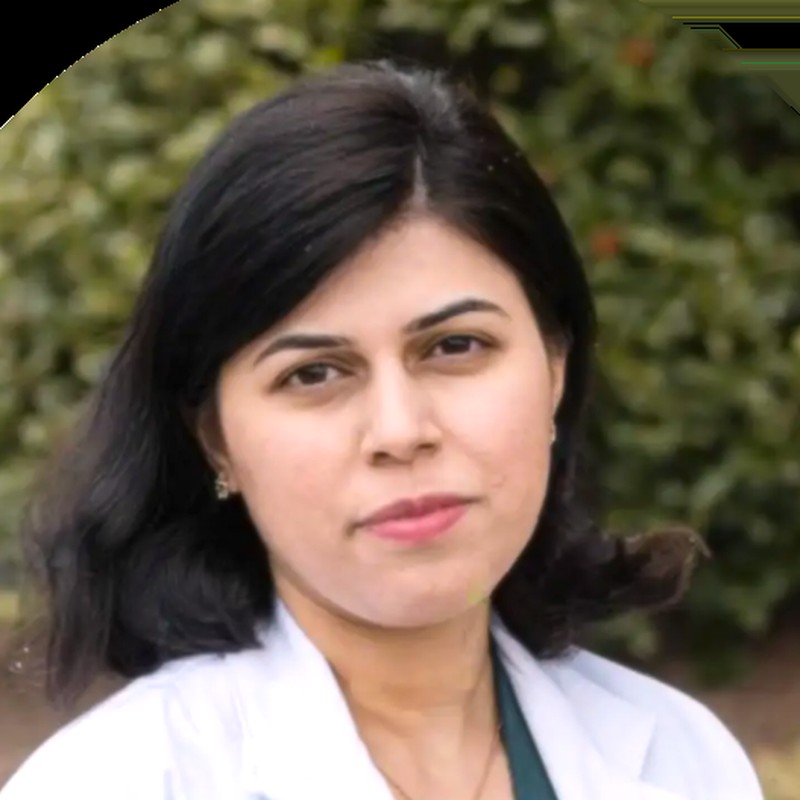
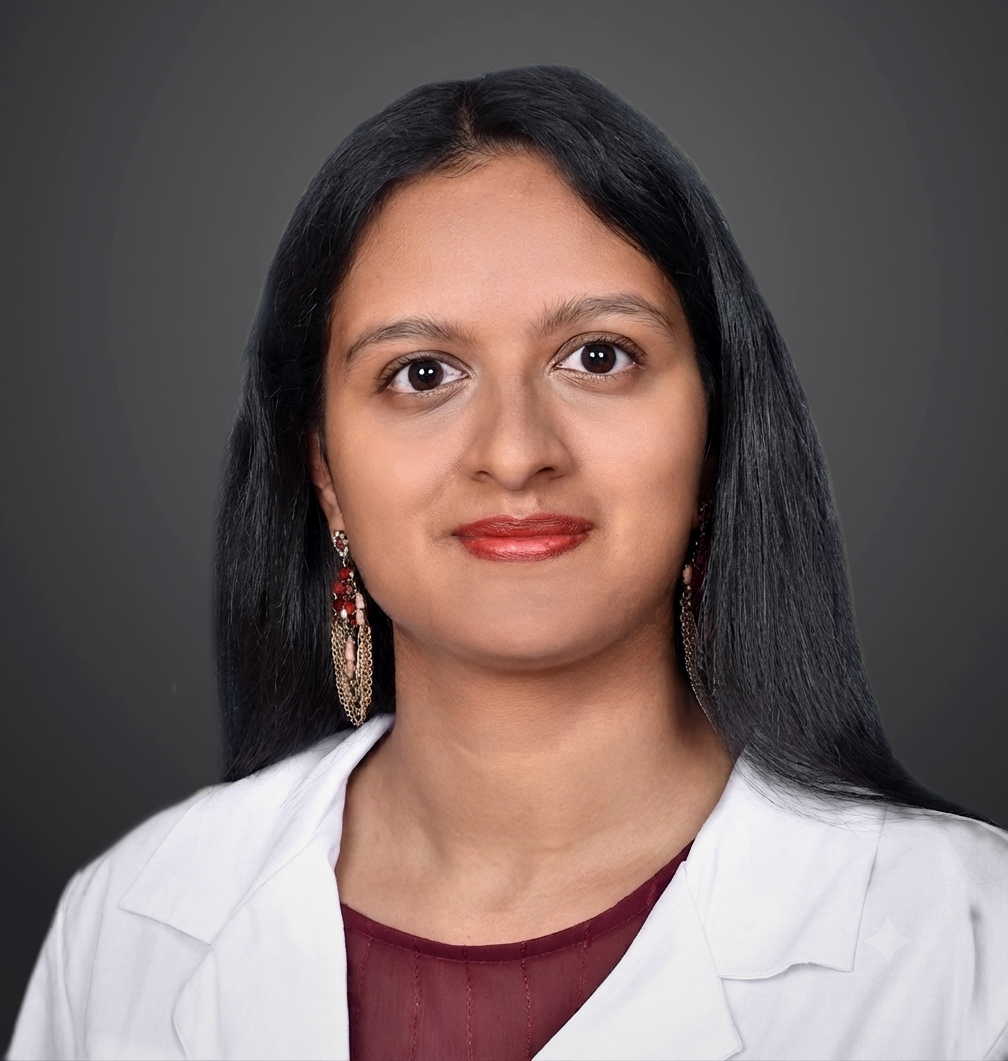
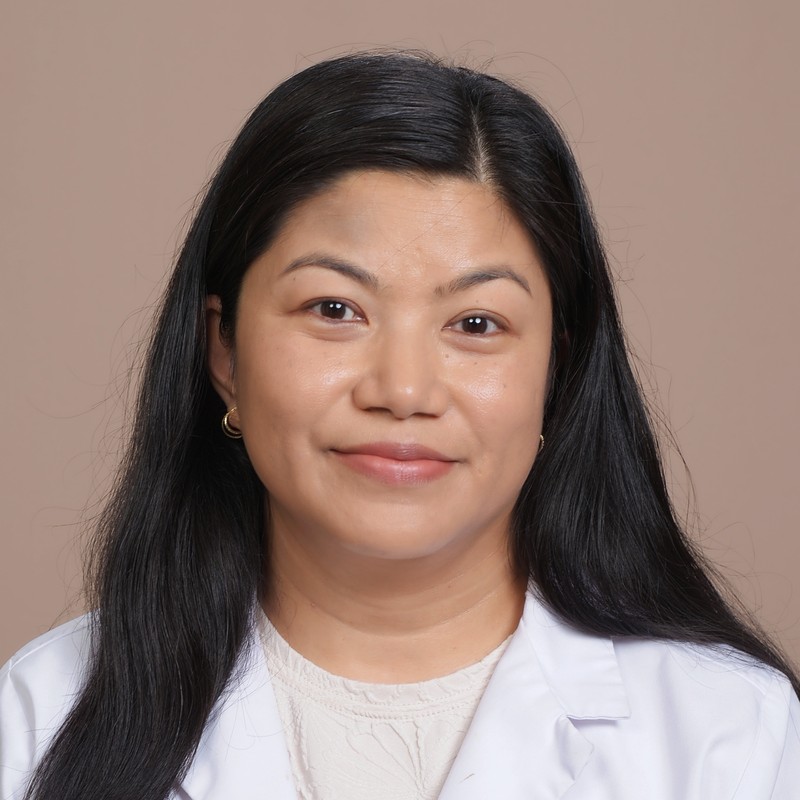
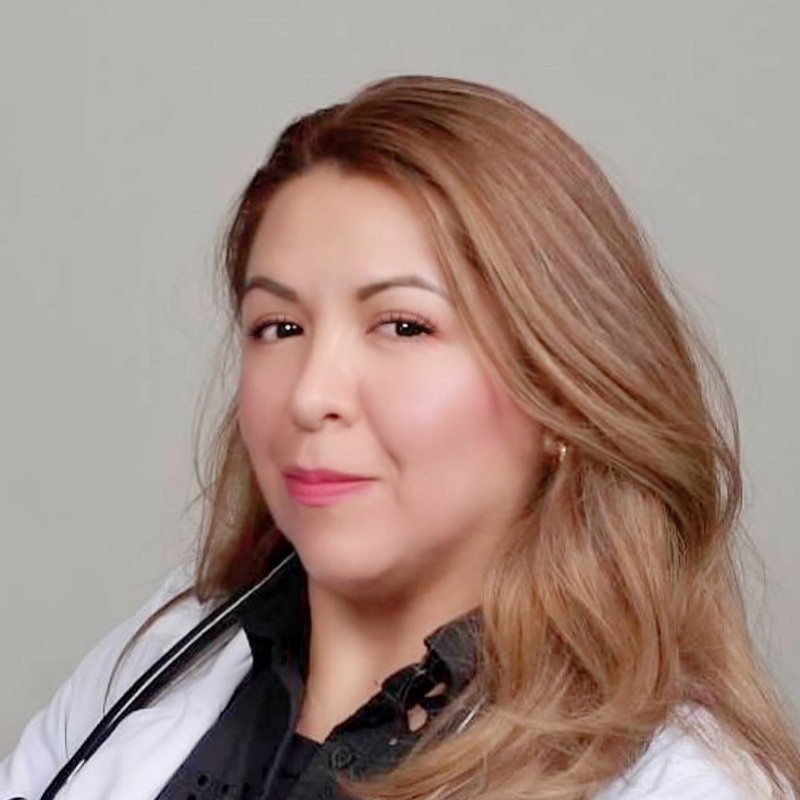
Clinicians Who Treat PCOS


PCOS Education Resources
PCOS FAQ
Do I need a referral to see an endocrinologist for PCOS?
Most PPO plans do not require a referral. HMO and POS plans typically do require one from your primary care doctor. Call us at 703-214-9773 and we can help verify your specific insurance requirements before your visit.
Why see an endocrinologist for PCOS instead of a gynecologist?
Endocrinologists specialize in hormone disorders and metabolic conditions — the root cause of PCOS. We focus on insulin resistance, androgen levels, and metabolic risk in addition to cycle regulation, providing a more comprehensive treatment approach.
Does PCOS go away after menopause?
Menstrual symptoms resolve after menopause, but the underlying metabolic risks of PCOS (including elevated cardiovascular and diabetes risk) continue. Long-term monitoring with an endocrinologist remains important.
Can PCOS be treated without medication?
Lifestyle interventions — especially weight loss of just 5–10% of body weight — can significantly improve PCOS symptoms and insulin resistance. We work with patients to find the right combination of lifestyle and medication approaches for their goals.